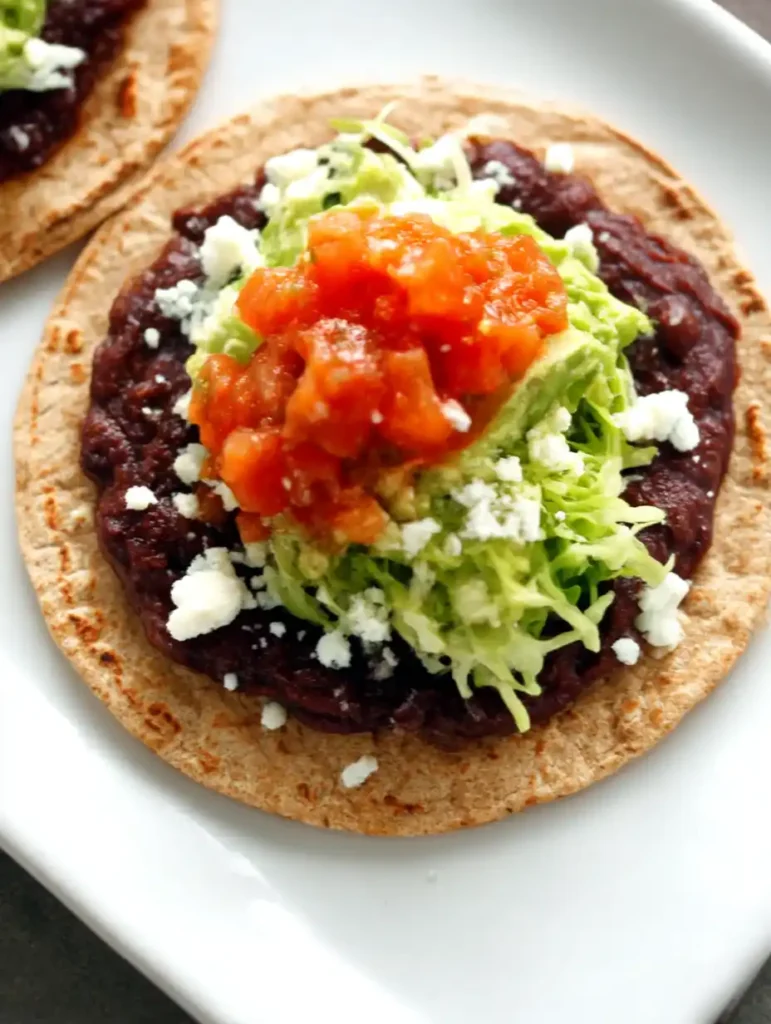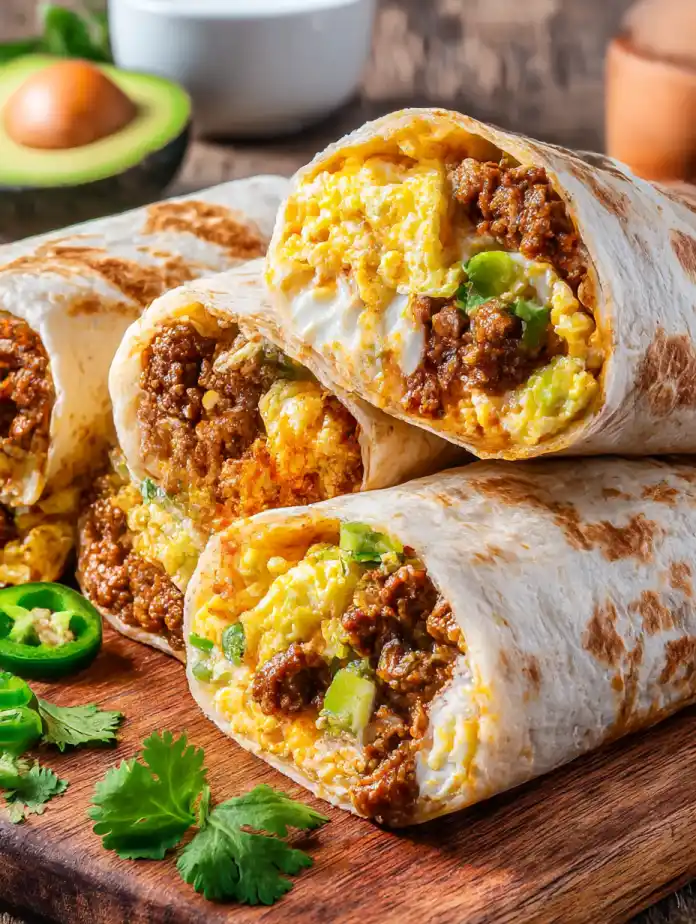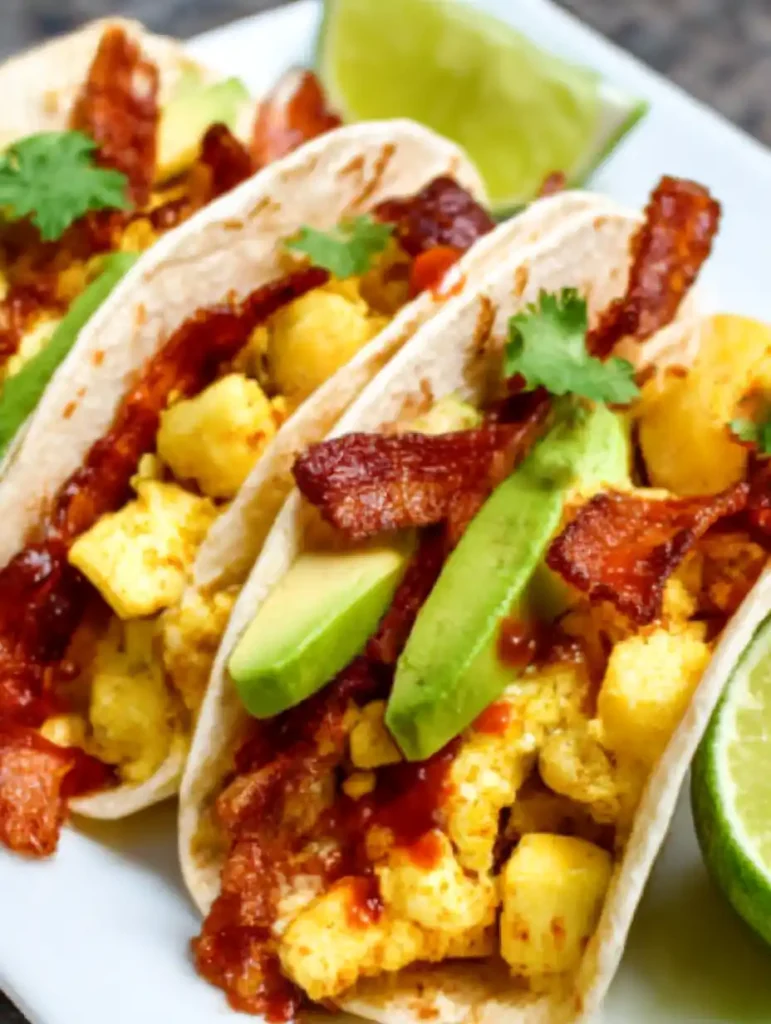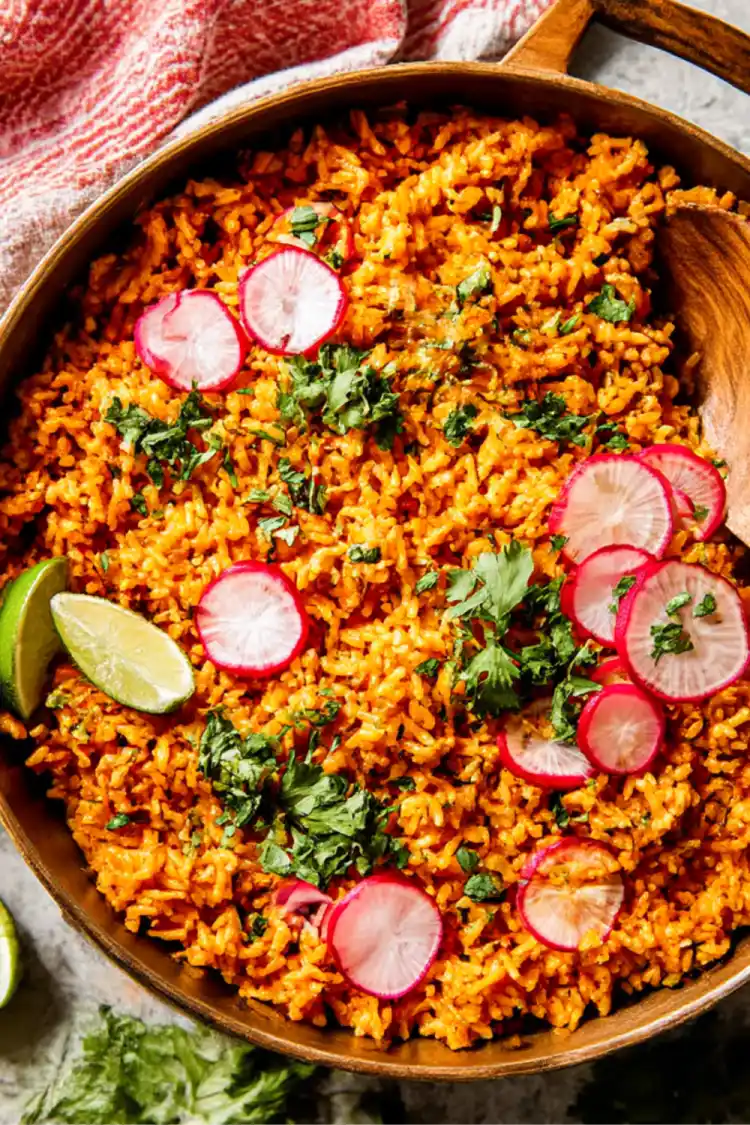

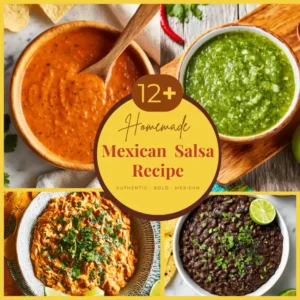
When my grandmother set out her salsa bowls, she never announced them she let the colors speak. Ruby reds for cozy, fire-lit flavors; lively greens that woke up sleepy tacos; a glossy, nutty chile oil that made eggs taste important. This pillar presents the authentic Mexican salsa recipes you asked for by name and tells you how each one behaves on the plate. No ingredients. No steps. Just the soul, the texture, the heat, and the best ways to use them.
Why You’ll Love This Guide
- It talks like a real person. No kitchen jargon. If a special word matters, I explain it once in regular language.
- You learn by flavor, not by steps. Red ones feel cozy and familiar; green ones taste lively and bright; the chile-oil styles bring crunch and slow heat.
- You’ll match salsa to food fast. Steak night? Use a smoky red. Carnitas? Reach for bright green. Shrimp tacos? Green with a little kick, or a light chile-oil drizzle.
- It works for mixed crowds. Options for mild eaters and spice-lovers can live side by side on the table.
- It’s a true guide. Keep this page bookmarked, then branch into deeper posts when you’re ready for full recipes.
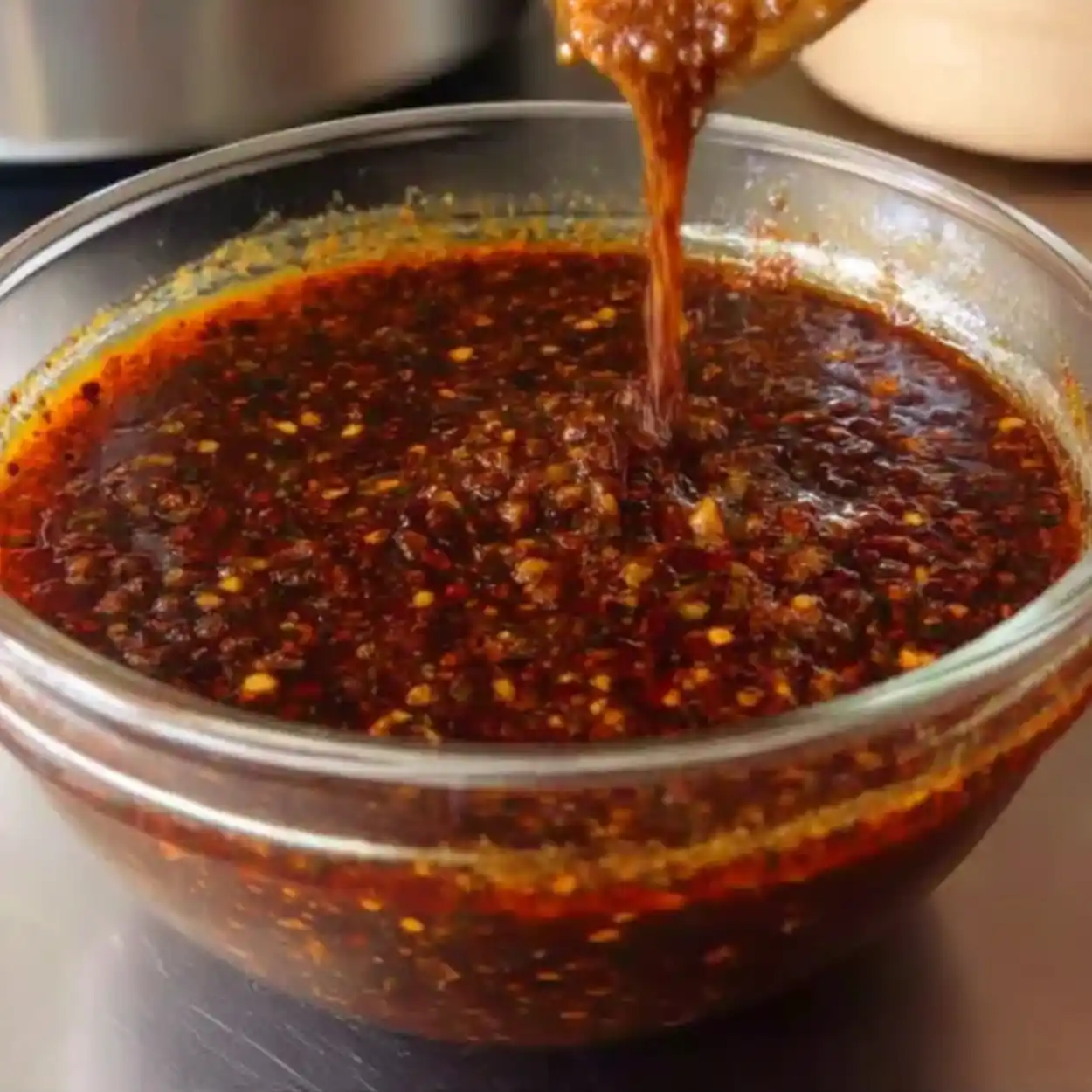
SALSA DE MESA
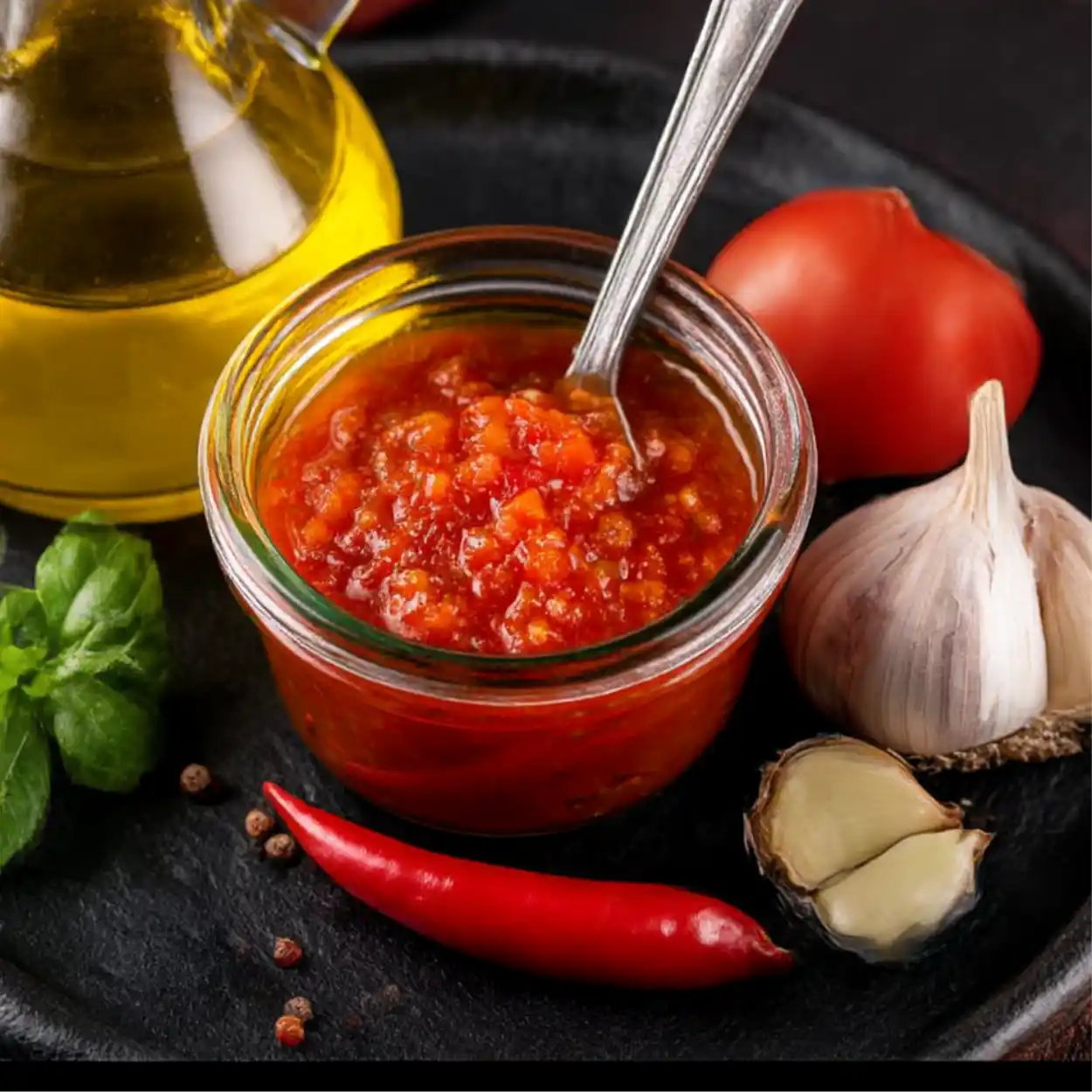
Salsa picanta diabla
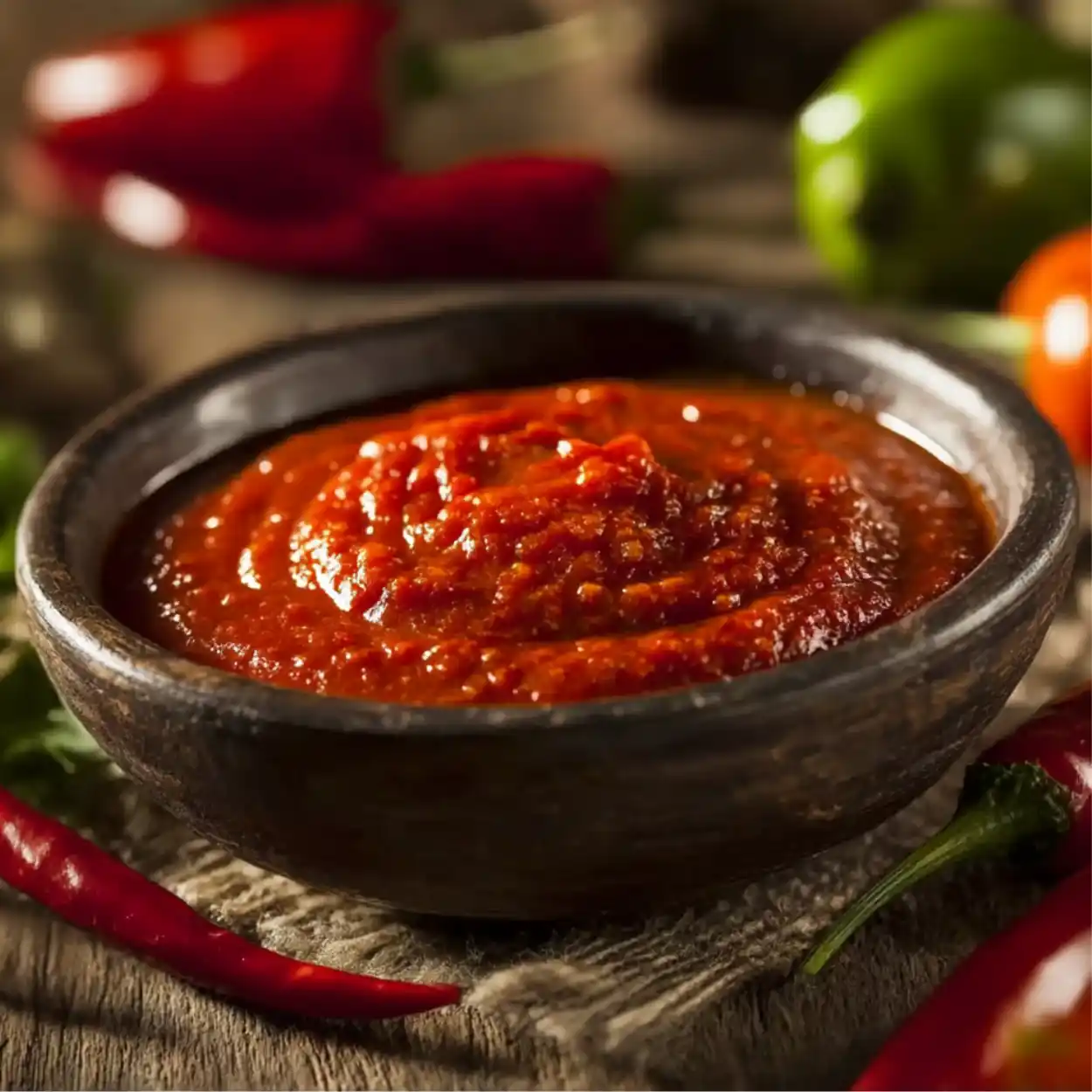
Salsa borracha
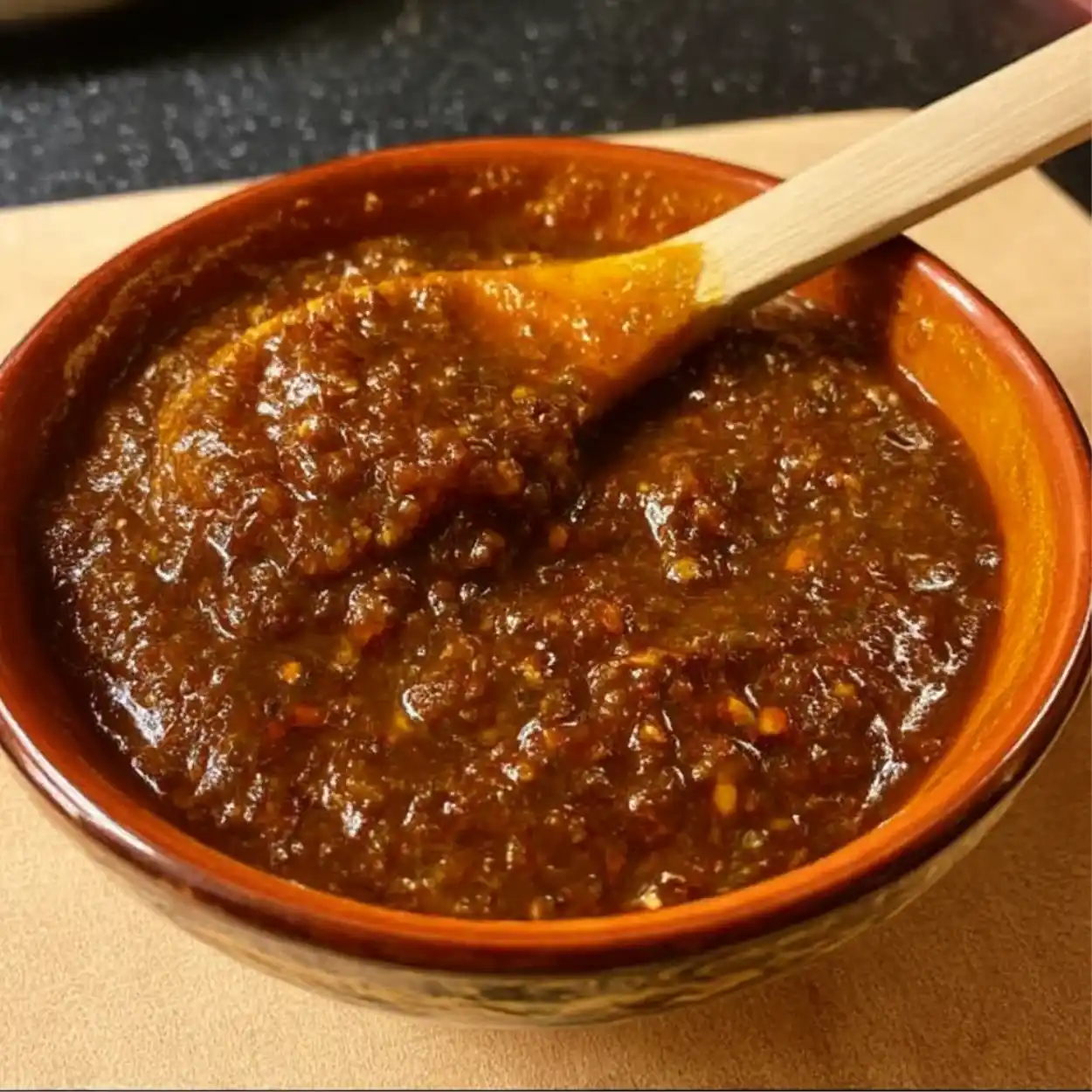
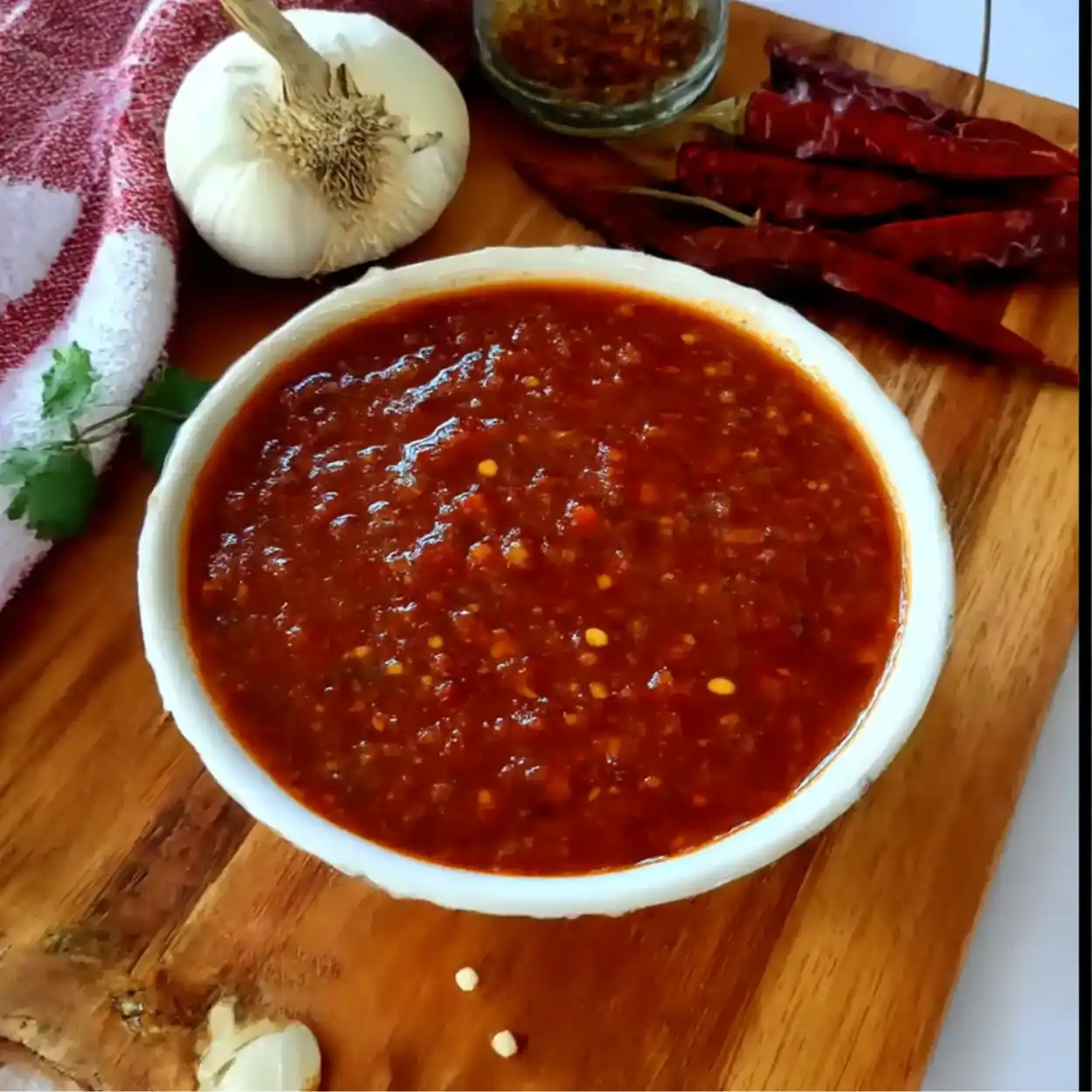
Salsa asada
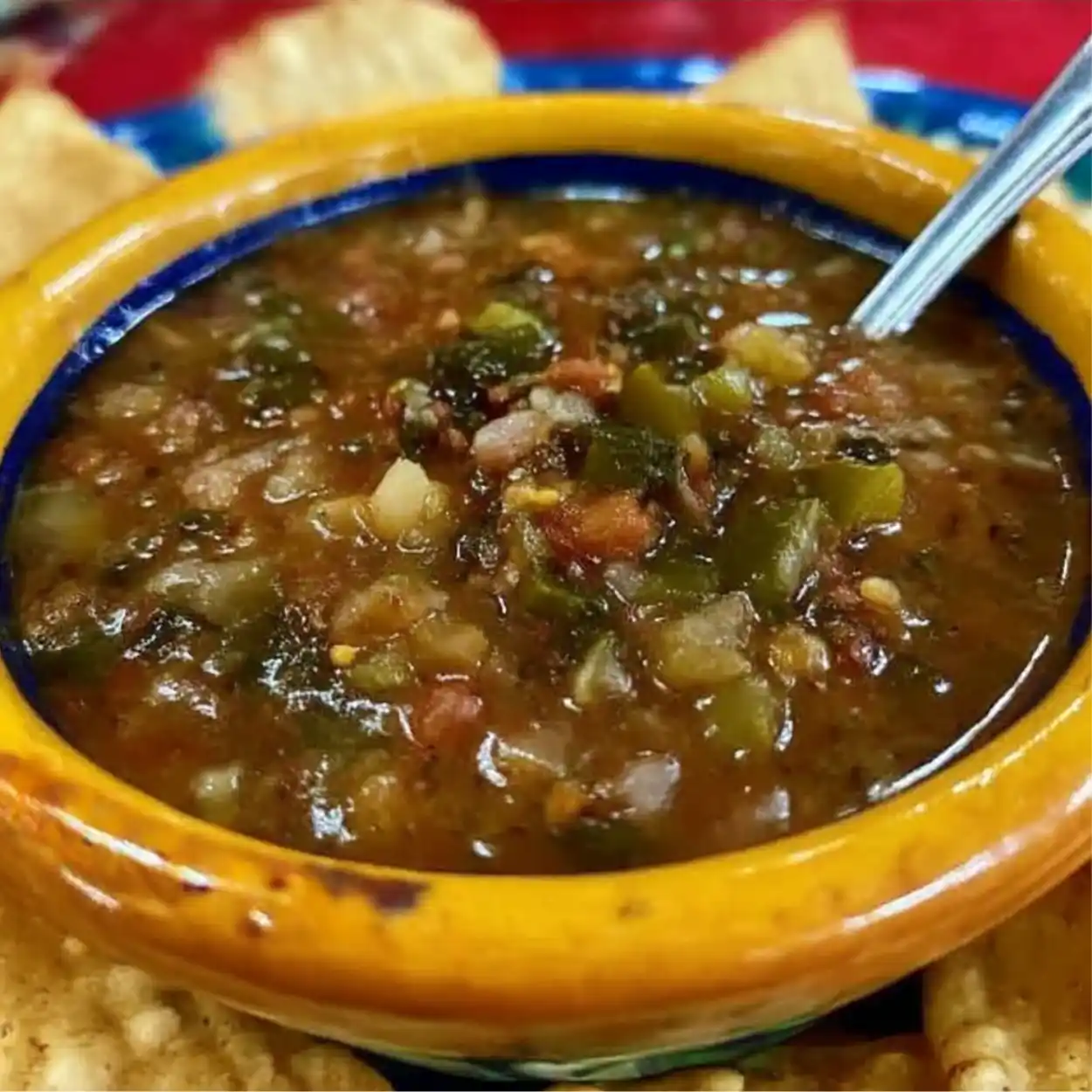
Salsa tatemada recipe
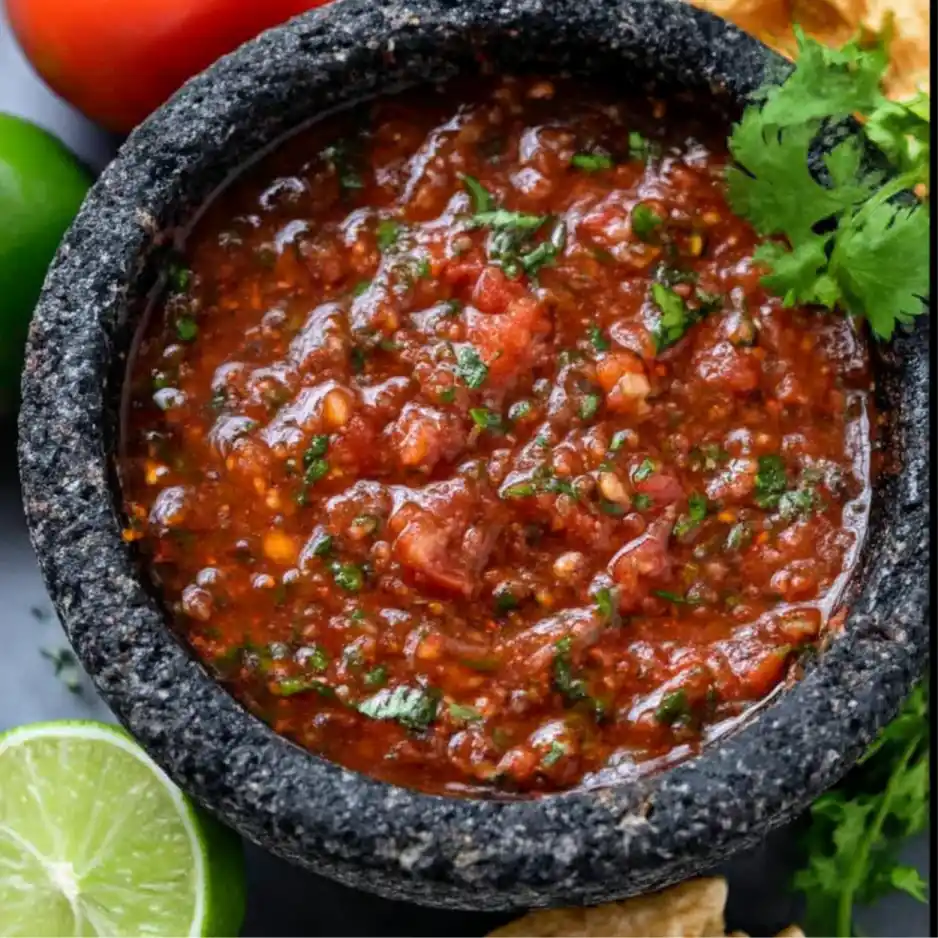
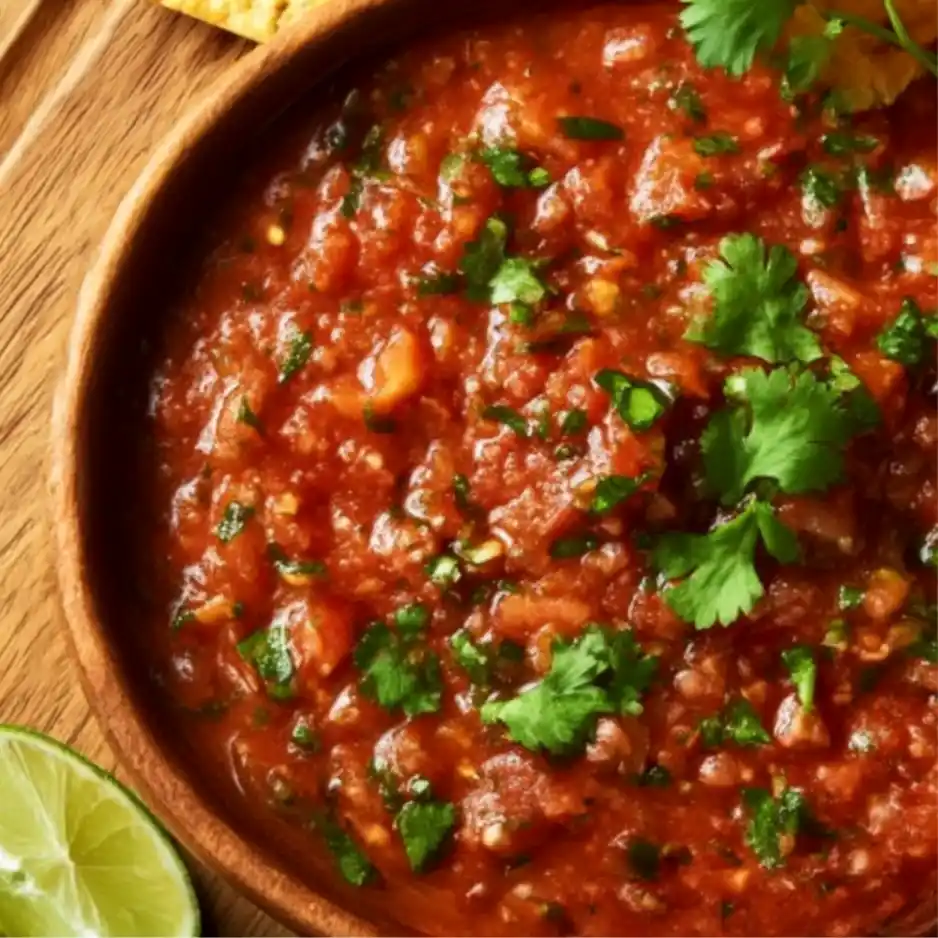
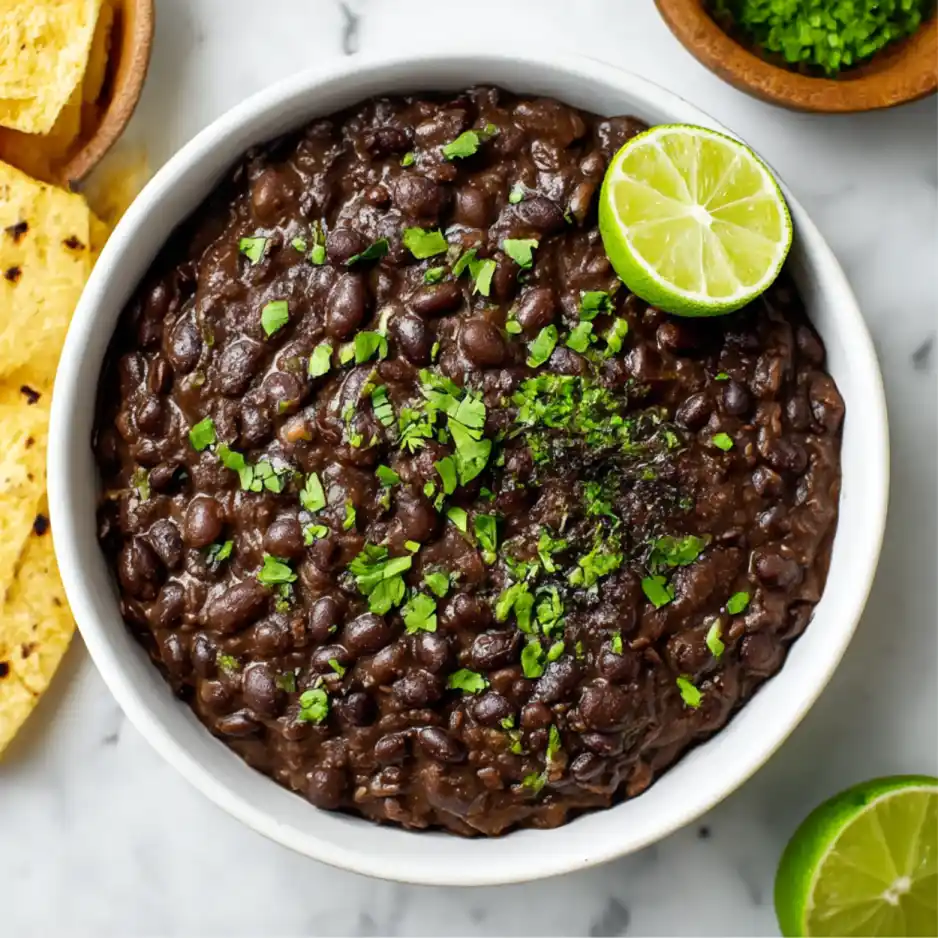
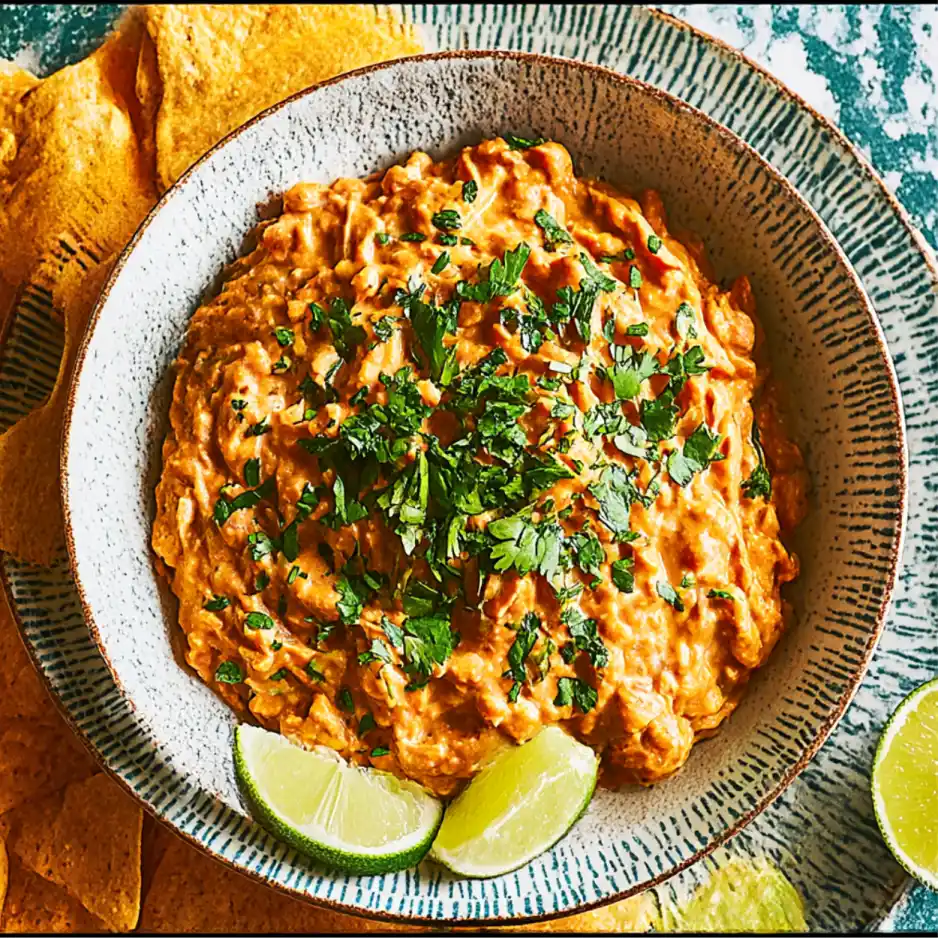
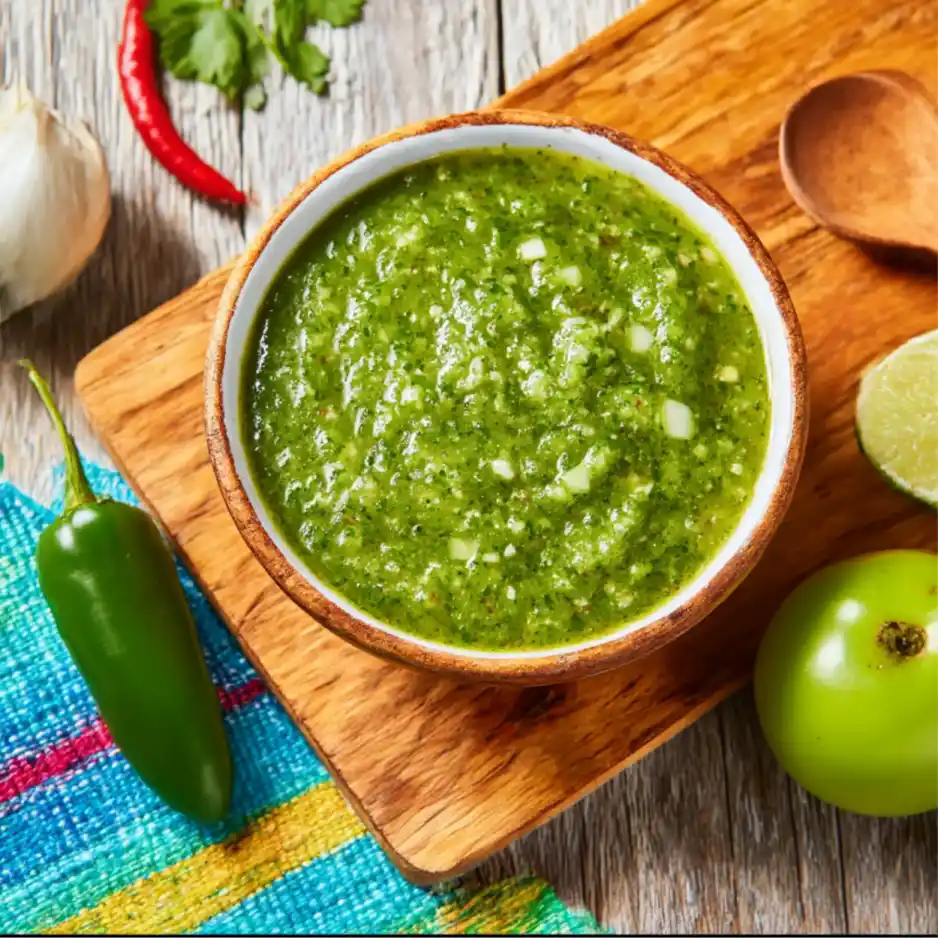
SALSA VERDE ASADA
Meet the Salsa Families
1) Red Salsas (Salsa Roja) The Cozy Classics
Personality: Tomato-warm, familiar, sometimes smoky if the tomatoes were charred hot.
Heat: Mild to bold, depending on the chile family.
Texture: From smooth and pourable to rustic and chunky; all of them cling beautifully to tacos.
Great with: Carne asada, chicken enchiladas, breakfast eggs, rice-and-bean bowls, quesadillas, grilled veggies.
Red Salsa Names You’ll Meet
- Salsa roja (the house red)
- Salsa ranchera (homestyle red for eggs and chilaquiles)
- Salsa taquera roja (smooth, pourable, taco-stand style)
- Salsa tatemada (deeply charred, smoky red)
- Salsa asada (roasted red; cozy and sweet-edged)
- Salsa martajada (roja) (hand-smashed, rustic, nubby)
- Salsa brava (bold, assertive)
- Salsa borracha (party red with a tiny malty note)
- Salsa diabla (fiery and upfront)
- Salsa perona (fresh-forward coastal red)
- Salsa tampiqueña (classic steak-plate companion)
- Salsa costeña roja (coastal brightness)
- Salsa huichol–style (punchy, lively)
- Salsa de tres chiles / de siete chiles (layered warmth)
- Salsa de chile de árbol (clean, quick heat)
- Salsa de chipotle / de morita (smoky-sweet comfort)
- Salsa de guajillo / de ancho / de pasilla / de mulato / de puya / de cascabel (fruity-to-deep reds with gentle to medium heat)
- Salsa de chilhuacle rojo (Oaxaca) (rare, nuanced depth)
When to grab a red: When the plate wants a hug. Reds cozy up to grilled steak, roasted chicken, eggs, and anything with melted cheese.
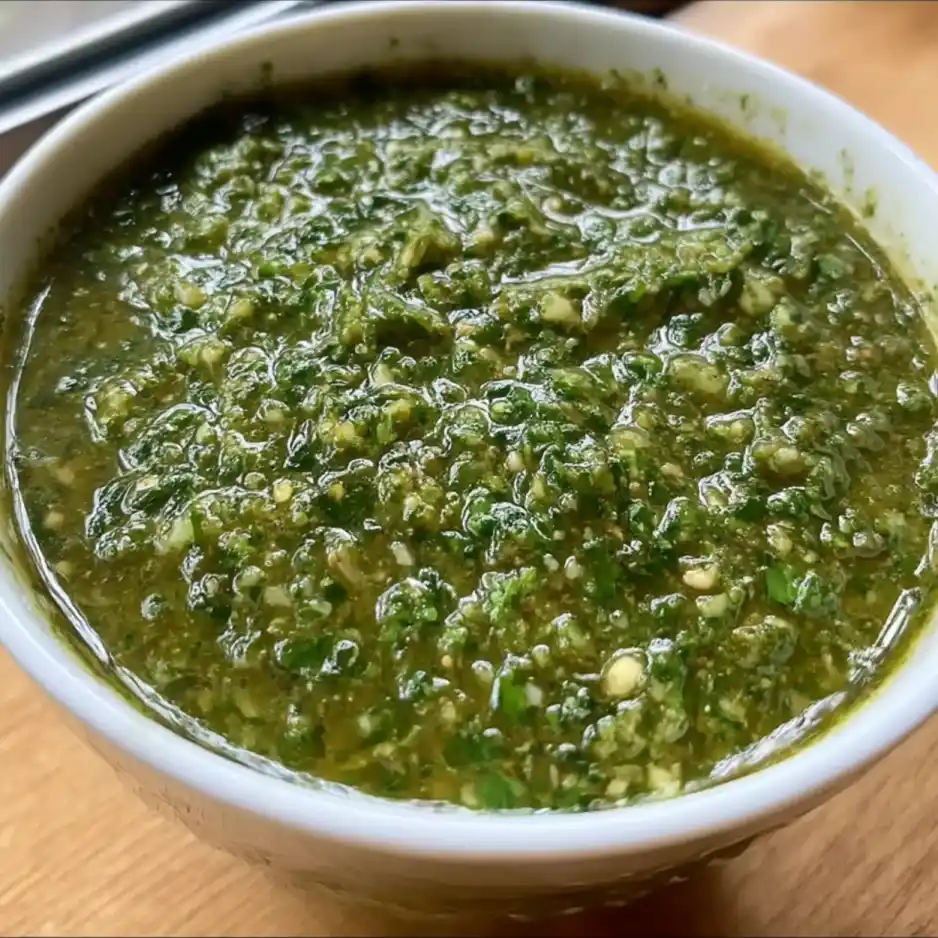
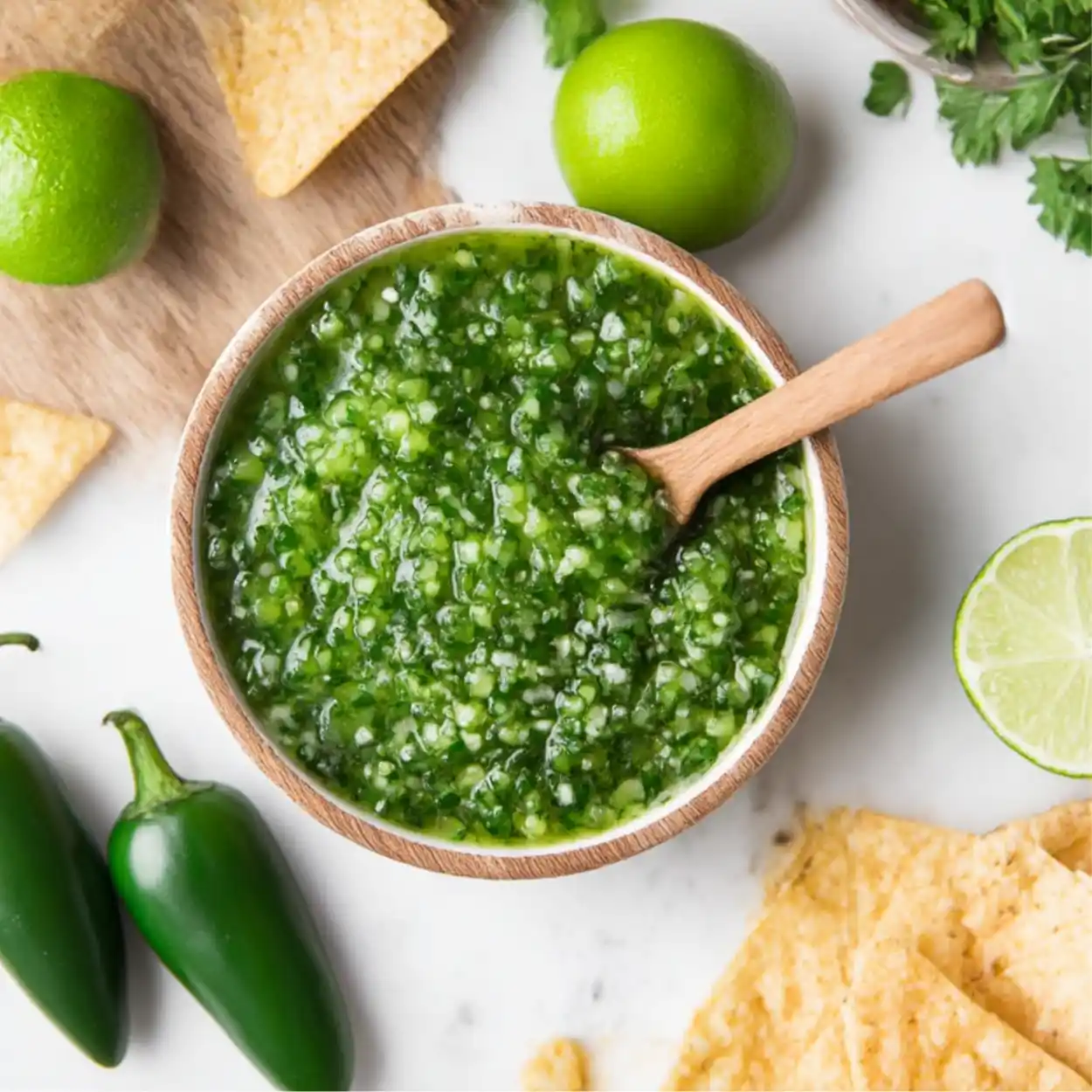
2) Green Salsas (Salsa Verde) ***9***************8************************************888888889999
+3+++++++++++++++++++++++++++++++++++++++++++++++++++++++++++++++++++++++++++++++++++++++++++++++++++
Personality: Zesty, lively, a little tang from tomatillos; it wakes up rich dishes.
Heat: Usually mild to medium unless you pick hotter chiles.
Texture: Spoonable and silky with tiny bits; perfect for coating tacos without sliding off.
Great with: Carnitas, chicken anything, chilaquiles verdes, grilled fish and shrimp, veggie bowls.
Green Salsa Names You’ll Meet
- Salsa verde (the classic)
- Salsa verde cruda (raw-bright, garden-fresh)
- Salsa verde asada (roasted-green with a whisper of smoke)
- Salsa taquera verde (smooth, pourable green for tacos)
- Salsa de jalapeño (verde) (friendly green warmth)
- Salsa de serrano (verde) (cleaner, sharper kick)
- Salsa de chile manzano (fruity heat; can run yellow-green)
- Salsa de chile güero / amarillo (gentle, sunny)
- Salsa de chile de agua (Oaxaca) (bright, assertive regional green)
- Salsa de aguacate y tomatillo (silky, bright green)
- Guacamolito (taquería-style smooth avocado-green)
When to grab a green: When the meal feels heavy or sleepy. A bright green turns up the lights on pork, chicken, and seafood.
3) Fresh & Chunky Salsas (De Mesa)
Personality: Clean, crunchy, lime-lifted; the classic chips-and-salsa profile.
Heat: As gentle or lively as you like.
Texture: Chunky dice that keep their shape.
Great with: Chips, bean tostadas, grilled chicken, backyard cookouts, picnic tables.
Fresh Salsa Names You’ll Meet
- Pico de gallo (the icon)
- Salsa bandera (red-white-green like the flag)
- Salsa de mesa (house table salsa)
- Salsa cruda (raw, bright, tomato-forward)
When to grab fresh & chunky: When you want crunch, brightness, and big, sunny flavors without smoke.
4) Rustic, Hand-Mashed Salsas, The Old-School, Clingy Keepers
Personality: Deep, soulful, and surprisingly round; it tastes handmade because it is.
Heat: Usually medium, but it depends on the chile.
Texture: Nubby and clingy, the dream texture for steak tacos.
Great with: Carne asada, barbacoa, grilled vegetables, hefty quesadillas.
Rustic Salsa Names You’ll Meet
- Salsa molcajeteada (roja / verde) (stone-mashed red or green)
- Salsa de jitomate molcajeteada
- Salsa de tomatillo molcajeteada
When to grab rustic: When you want your salsa to stick to the food and deliver quiet, smoky depth.
5) Chile-Oil & Crunchy Salsas, The Glossy, Addictive Drizzles
Personality: Toasty, nutty, warm; slow-building heat with little crunchy bits.
Heat: Medium to hot, but easy to control with a spoon.
Texture: Oil-based, speckled with toasted chile, seeds, or nuts.
Great with: Eggs, shrimp tacos, roasted sweet potatoes, grilled veggies, soups, even pizza.
Chile-Oil Names You’ll Meet
- Salsa macha (clásica)
- Salsa macha de cacahuate (peanut)
- Salsa macha de ajonjolí (sesame)
- Salsa macha de pepita / de almendra
- Salsa negra (dark, intense)
- Chile de árbol en aceite / cascabel en aceite / pasilla en aceite
When to grab chile-oil: When the plate needs drama and crunch. This is not a chip dip it’s your finishing flourish.
6) Creamy & Avocado Salsas, The Cool Peacemakers
Personality: Smooth, bright, calming; keeps spice in check without muting flavor.
Heat: Mild to medium.
Texture: Silky, never heavy.
Great with: Crispy flautas, chicken tacos, al pastor, breakfast tacos, nachos.
Creamy/Avocado Names You’ll Meet
- Salsa de aguacate (creamy)
- Salsa chipotle cremosa
- Salsa jalapeño cremosa
- Salsa de crema con chipotle
- Salsa de cilantro cremosa (taquería style)
When to grab creamy: When the crowd wants comfort and balance or the main dish runs spicy.
7) Regional & Specialty Salsas
Personality: Local pride, bold character, stories in every spoon.
Great with: Seafood, slow-cooked pork, grilled meats, and party plates.
Regional & Specialty Names You’ll Meet
- Yucatán: Xnipec (citrus + onion + habanero brightness), Chiltomate (roasted tomato with tropical heat), Habanero curtido (pickled fire), Cebolla morada con habanero (the sharp, sunny condiment you want with cochinita).
- Maya-inspired: Sikil p’ak (pepita-rich, dip-like, earthy and bright).
- Oaxaca: Salsa oaxaqueña de chile de agua, Salsa de chilhuacle rojo, Salsa de chilcostle, Salsa de chicatana (seasonal, wild).
- Pacific coast & north: Salsa tatemada colimense, Salsa sinaloense para mariscos, Salsa nayarita para camarón, Salsa estilo Tijuana para asada.
- Gulf & Veracruz: Salsa veracruzana de mesa, tomato-herb freshness for seafood plates.
- Adobo-as-salsa (taquería): Salsa al pastor, Salsa adobada, Salsa roja de canasta.
When to grab regional: When dinner needs a story—seafood night, pibil weekend, or just a craving for something new.
The 30-Second Salsa Match
- I want cozy and familiar. Pick a red (roja, ranchera, asada).
- This plate feels heavy. Pick a green (verde asada or cruda).
- I want crunch and freshness. Pick pico de gallo or salsa bandera.
- I want handmade character. Pick molcajeteada (rustic, clingy).
- I want drama and a little crunch. Pick salsa macha or salsa negra (light drizzle).
- I need to soften the heat. Pick creamy/avocado (silky, bright).
- I want to travel by taste. Pick a regional salsa (xnipec for seafood, chiltomate for grilled meats, al pastor for pork night).
Pairing Cheat Sheet
- Carne Asada (grilled steak): Molcajete roja, salsa de morita for smoke, tiny macha drizzle for crunch.
- Carnitas (slow-cooked pork): Salsa verde (asada or cruda) or avocado salsa to brighten richness.
- Al Pastor (spiced pork + pineapple): Salsa taquera roja or taquera verde; add pineapple salsa if you like.
- Birria & Barbacoa (rich beef): Guajillo/ancho roja or salsa borracha for that malty lift.
- Seafood (fish & shrimp): Verde serrano, xnipec for citrusy heat, or a light macha drizzle.
- Eggs & Breakfast: Ranchera roja for huevos rancheros and chilaquiles; macha if the morning wants a kick.
- Quesadillas, Bean Tostadas, Nachos: Pico de gallo for crunch, roja tatemada for warmth, creamy avocado for balance.
- Grilled Veggies & Bowls: Martajada roja (rustic), verde asada, or macha for texture.
Hosting Like Grandma
- Two-bowl rule: Always set out one mild option (green or pico) and one bold option (árbol roja or macha). Everyone feels seen.
- Warm the carriers: Ten seconds of heat for chips or tortillas makes every salsa taste brighter.
- Finishing pinch: A little chopped onion or cilantro on top right before serving perks up both red and green.
- Let it rest a moment: Even five minutes on the counter helps flavors settle and bloom.
- Swap fresh bowls: For long meals, keep half chilled and rotate—your salsa stays fresh and safe.
FAQs
What’s the difference between salsa roja and salsa taquera?
Think of salsa roja as the big red family—sometimes chunky, sometimes smoky, always comforting. Salsa taquera is tuned for tacos: smoother and pourable so it coats fillings evenly (it comes in both red and green versions).
Is green salsa always spicy?
No. Salsa verde is bright because of tomatillos, not because it’s fiery. It can be gentle with jalapeño or livelier with serrano or a pinch of árbol. The goal is zesty, not punishing.
When would I choose a chile-oil salsa like macha?
When you want aroma, crunch, and a slow, warm finish on eggs, shrimp tacos, roasted potatoes, or creamy soups. It’s a drizzle, not a dip.
What’s special about “molcajeteada”?
It’s stone-mashed in a molcajete (a volcanic mortar), which gives a rustic, nubby texture that clings to food and rounds flavors in a way a blender can’t quite replicate.
Which salsa is best for kids or spice-shy guests?
Start with pico de gallo or a jalapeño-based green tuned mild. Set a small bowl of árbol roja or macha off to the side for the heat-seekers.
Conclusion
You don’t need a dozen instructions to serve like grandma you just need the right bowl at the right time. Reds bring comfort; greens bring light; fresh chunky brings crunch; rustic stone-mashed brings soul; chile-oil brings drama; creamy brings calm; and regional bowls bring a little travel to the table. Keep this pillar close, and choose by feeling: hug with red, wake with green, sparkle with macha, and smile when the plates come back empty.
When you want full, step-by-step recipes for any family here roja, verde, macha, pico, creamy, or regional I’ve got you covered with grandma-style, weeknight-friendly directions. For now, consider your salsa map complete.